When Tammy retired after more than 30 years as an engineer, she knew she wasn’t finished making a difference.
When Tammy and her husband relocated to the Pittsburgh area to help care for her 90-year-old mother-in-law, she found herself searching for a new way to serve her community.
“I wasn’t ready to retire,” she said. “I wanted to do something that was more community-focused.”
That desire led her back to school to study dietetics. Drawn by both her love of cooking and her personal experience seeing how nutrition affected her loved ones’ symptoms, Tammy discovered a passion for helping others build healthier lives through practical, affordable food choices.
Finding the Right Place to Serve
Shortly after moving to the area, Tammy began looking for volunteer opportunities and found SHIM.
She started volunteering at the front desk on Friday afternoons, where she spent three years getting to know clients and learning more about the organization.
“I felt like SHIM was a good fit for me because of the location and its core values,” she said.
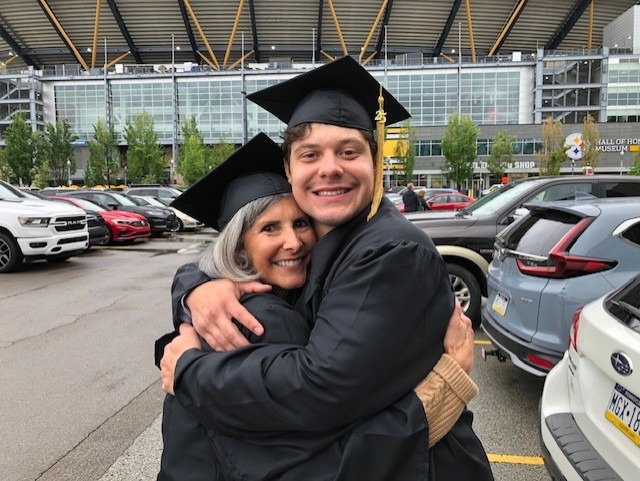
When she returned to school, she stepped away from volunteering to focus on earning her degree. But after completing her studies, she knew exactly where she wanted to bring her new skills.
She reached out to SHIM’s team with an idea: What if pantry clients had access to practical nutrition education designed specifically around the foods they receive from the pantry?
With encouragement from SHIM staff- including garden coordinator Becky H, who saw the potential for nutrition education to complement gardening initiatives- Tammy worked alongside the Basic Needs team to build a program tailored to the needs of SHIM families.
Listening First
Rather than assuming what participants needed, Tammy began by asking. Before launching the program, SHIM surveyed pantry clients about the nutrition topics they were most interested in learning. The responses became the foundation of the curriculum.
One challenge surfaced repeatedly: many families weren’t sure how to use some of the healthy pantry staples they were receiving.
“People were struggling to make recipes with the ingredients they received,” Tammy explained. “We wanted to show what they could do with pantry staples like beans and other nutritious foods.”
The result was a hands-on nutrition initiative centered around foods clients already have access to.
Each class features healthy food samples prepared with common pantry ingredients, along with meal kits and easy-to-follow recipe cards that participants can take home. The goal is simple: make healthy eating realistic, affordable, and achievable.
Current class topics include:
- Managing chronic health conditions through nutrition
- Grocery shopping on a budget
- Building balanced meals using pantry foods
- Affordable, family-friendly nutrition
- Nutrition tips for parents
- DIY herb gardening
- Kid-friendly nutrition activities
More Than Recipes
For Tammy, the classes are about far more than cooking.
Two-thirds of adults in the United States are considered overweight or obese, contributing to chronic health conditions such as diabetes, hypertension, and high cholesterol. These illnesses reduce quality of life while adding billions of dollars in healthcare costs every year.
Tammy believes small changes can make a meaningful difference.
“If we can be more preventative in our behavior and maintain proper nutrition, we can help fight chronic illnesses,” she said.
Sometimes those changes are surprisingly simple. One tip she often shares is to eat protein and vegetables before carbohydrates during a meal, which can help reduce blood sugar spikes.
Other classes help participants stretch their grocery budgets while still preparing nutritious meals for their families.
Seeing Confidence Grow
One of the most rewarding parts of the program has been watching participants gain confidence.
“One of the most rewarding things I hear is that people share their nutritional knowledge,” Tammy said. “It makes me happy that they’re caring about their health and acting on it.”
Participants often discuss how they’ve adapted recipes to fit their families’ tastes or budgets. Even pantry clients who receive meal kits through SHIM’s drive-through distributions express appreciation for learning new ways to use the ingredients they receive.
The program has also reduced food waste. In the past, some pantry items were returned because families weren’t sure how to prepare them. Now, clients are discovering new ways to incorporate those same ingredients into meals they enjoy.
For Tammy, every question asked during class is a sign that participants are invested in building healthier habits.
Looking Ahead
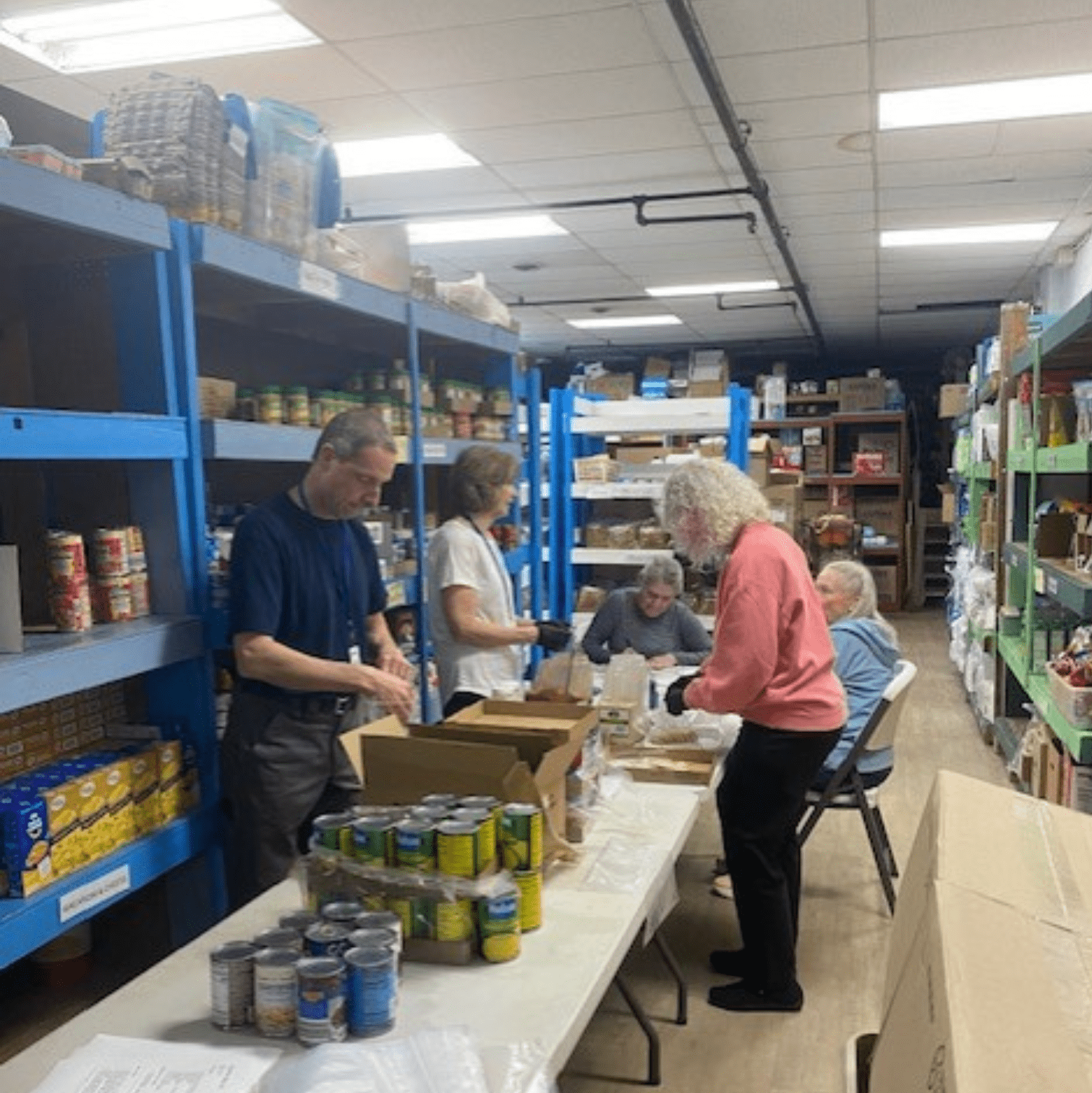
As the program continues to grow, Tammy is also looking for volunteers to help assemble meal kits, assist during classes, and welcome participants.
Most of all, she hopes the initiative reflects SHIM’s commitment to supporting neighbors in every aspect of their lives.
“SHIM talks so much about helping people holistically,” Tammy said. “This is another way we can help, not just by providing food, but by helping people feel confident using it.”
One simple meal at a time, that’s exactly what’s happening.