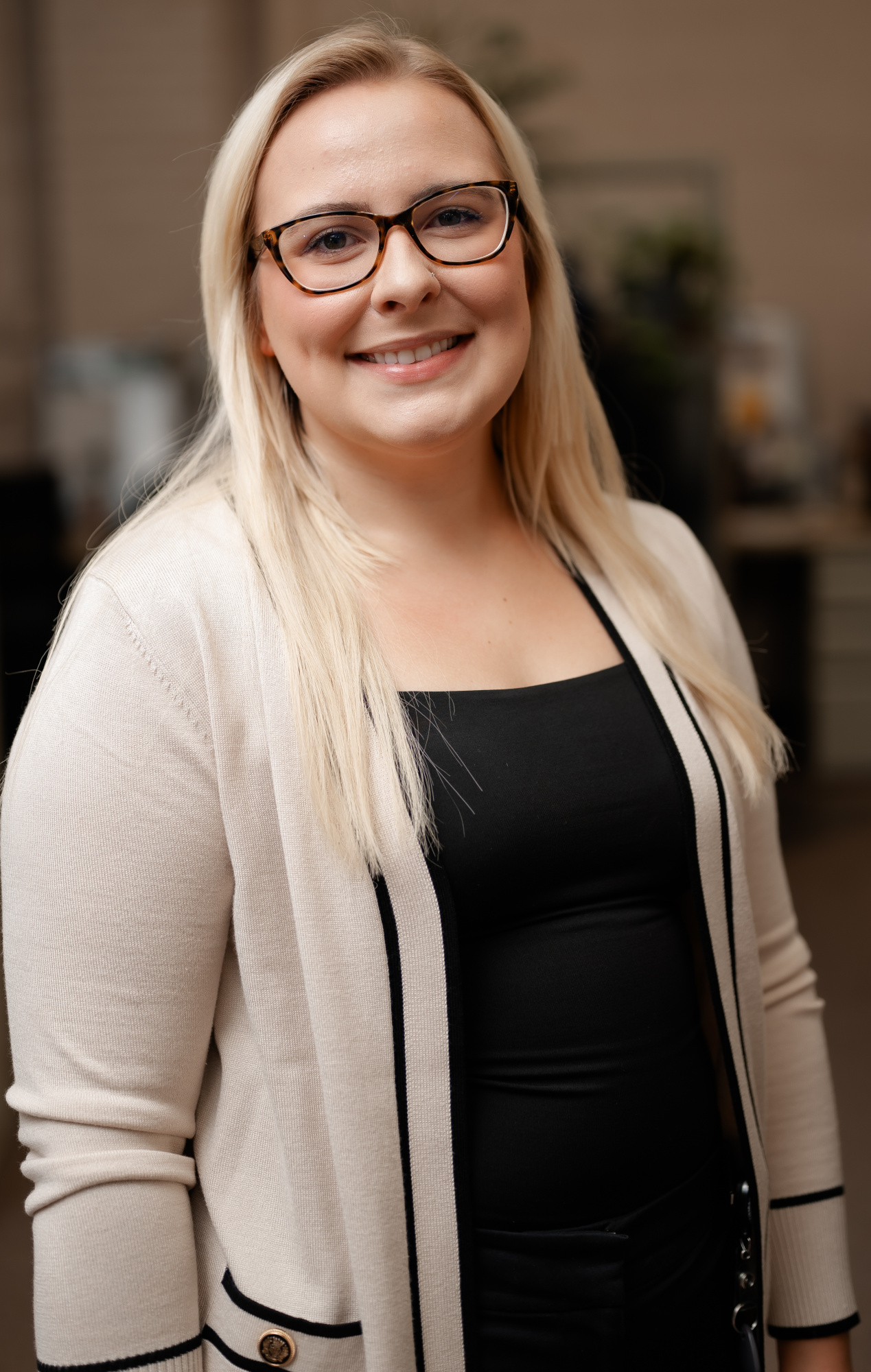
By Olivia Montana, SHIM Mobility Mentoring Specialist
As we reflect on the past year of our Mobility Mentoring program, it’s clear that the impact goes far beyond numbers. While we began the year with 11 enrolled participants and now have 10 actively engaged, the depth of growth, resilience, and transformation we’ve witnessed tells a powerful story.
Check out THIS STORY to learn more about the implementation and structure of SHIM’s Mobility Mentoring program.
Who We’re Serving
All current participants in the program are women, and all but one are mothers, many of them single moms navigating complex responsibilities. Several participants come to the program through SHIM’s financial assistance services, often during moments of crisis. Over time, we’ve learned that once immediate needs like rent or car repairs are addressed, participants are more open and ready to engage in longer-term supportive services like Mobility Mentoring.
This year, we received close to 30 referrals. Some individuals weren’t quite ready to begin, but we’ve stayed connected and continue to check in with them. That flexibility has been key.
Growth Across the Bridge
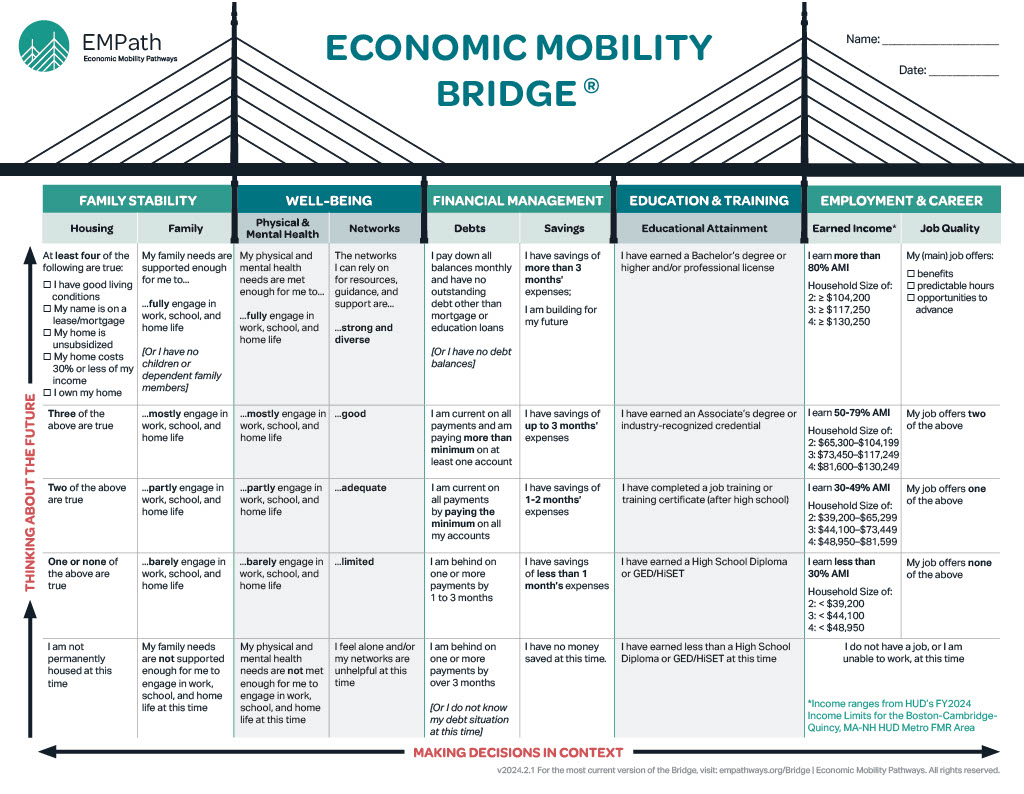
Mobility Mentoring uses the Bridge to Self-Sufficiency Tool to help participants identify areas of their lives they want to strengthen, including housing and employment.
Two participants have now been in the program for a full year and are planning to extend into a second year. While neither initially set “well-being” as a primary goal, both shared that their overall well-being has significantly improved over the past year. As they worked on goals in the other four areas of the Bridge—family stability, education and training, financial management, and employment and career—it became clear how interconnected these domains truly are.
Both participants increased their support networks, reduced debt, found ways to save money, and increased their income. Their progress is a reminder that even when well-being isn’t named as a goal, it often improves as stability grows.
We also recently surveyed 10 participants, and every response came back positive. These reflections affirm that the program is meeting participants where they are and supporting meaningful change.
“I can finally pay my bills on time each month with the help of this program.” – Mobility Mentoring client
Coaching That Goes Deep
Mobility Mentoring is a coaching-based model, and I’ve been continually struck by how deep conversations can go when you sit with someone and truly talk about their life. Participants often share fears, hopes, grief, and internal barriers that aren’t always visible on the surface.
For example, one participant who experiences anxiety set a goal around starting hobbies, something that required facing internal challenges rather than external ones. Supporting a goal like this meant exploring self-worth, value, and confidence, all of which tie back to well-being. I’m careful to recognize the line between coaching and therapy. While my MSW training provides helpful insight, I also know when to encourage participants to seek therapeutic support and I help connect them to resources when needed.
Another participant wanted to ask for a raise but felt conflicted because sales at her company were down. Through coaching conversations, I encouraged her to write down everything she contributes at work and all the reasons she deserved higher pay. Together, we focused on building confidence and security, helping her feel ready to “jump off the diving board”. She followed through and successfully received the raise she requested. These moments capture the heart of Mobility Mentoring: building skills, confidence, and agency.
“[My mentor] motivates me to be a better mother and woman. She gives me great advice and encouragement for setting myself up for self-sufficiency.” -Mobility Mentoring client
Flexibility Through Life’s Ups and Downs
Life doesn’t pause for goal setting. When one participant experienced the sudden loss of someone close to her, the focus of coaching shifted. Financial goals were temporarily set aside in favor of space, support, and reflection. When she was ready, we returned to those goals together.
Participants meet with me twice a month initially. Over time, as confidence and stability increase, meetings often shift to once a month. However, the program ebbs and flows—during moments of crisis, I may meet weekly or be more available for support.
Building Skills for the Long Term
Not every goal is achieved right away, and that’s okay. When participants don’t meet a goal, it becomes an opportunity to reflect: Was it time management? Organization? Competing priorities? These moments allow participants to build executive functioning skills like planning, follow-through, and adaptability.
Participants often come in with big, ambitious goals. I help them break those goals into manageable, sustainable steps, like saving a small amount consistently each month. I offer suggestions and perspectives but always let participants guide their own decisions, learn from mistakes, and move forward with greater clarity.
Celebrating Success
Each completed goal comes with a gift card incentive, scaled to the complexity of the goal. Participants are encouraged to choose something celebratory, not just a necessity, as a way to honor themselves and the work they’ve done.
One of the most rewarding parts of the program is seeing participants grow. Even those who have only been enrolled for a few months are eager to share successes and reflect on how far they’ve come. All the clients are incredibly ambitious. I’m grateful to work with every one of them and happy to support them as they build skills and achieve their goals.
“I can’t believe a program like this is in existence. It has helped me to get my life in order in a way nothing else has.” -Mobility Mentoring client
Families, Partnerships, and Community
While most participants are mothers, goals often involve the whole family. Fathers may be included in job searches, career planning, or resource connections. When goals involve children—like finding childcare—I get to know the kids as well. It truly takes a village.
Partnerships are a vital part of the program. No single organization can be an expert in everything, and having strong partners allows participants to build their own support teams. Staff members across SHIM have also received Mobility Mentoring training, strengthening referrals and building a shared understanding of the program.
Looking Ahead
We’re proud to say the program has reached its current capacity of 10 clients at a time—a strong and successful launch. In the future, we hope to expand services and potentially add another specialist to meet growing interest and need.
We’re also excited about updates to the Mobility Mentoring Bridge, which is now more inclusive and easier to read. For example, housing goals focus less on renting versus owning and more on whether housing is safe, affordable, and meets a family’s needs. Updates to employment goals now include benefits, job satisfaction, and long-term sustainability.
As we look back on this year, we’re proud of the progress made, the relationships built, and the strong foundation laid for the future. Mobility Mentoring is about more than goals- it’s about growth, dignity, and the belief that lasting change is possible when people are supported every step of the way.
Learn more about Mobility Mentoring in Olivia’s article from last fall.