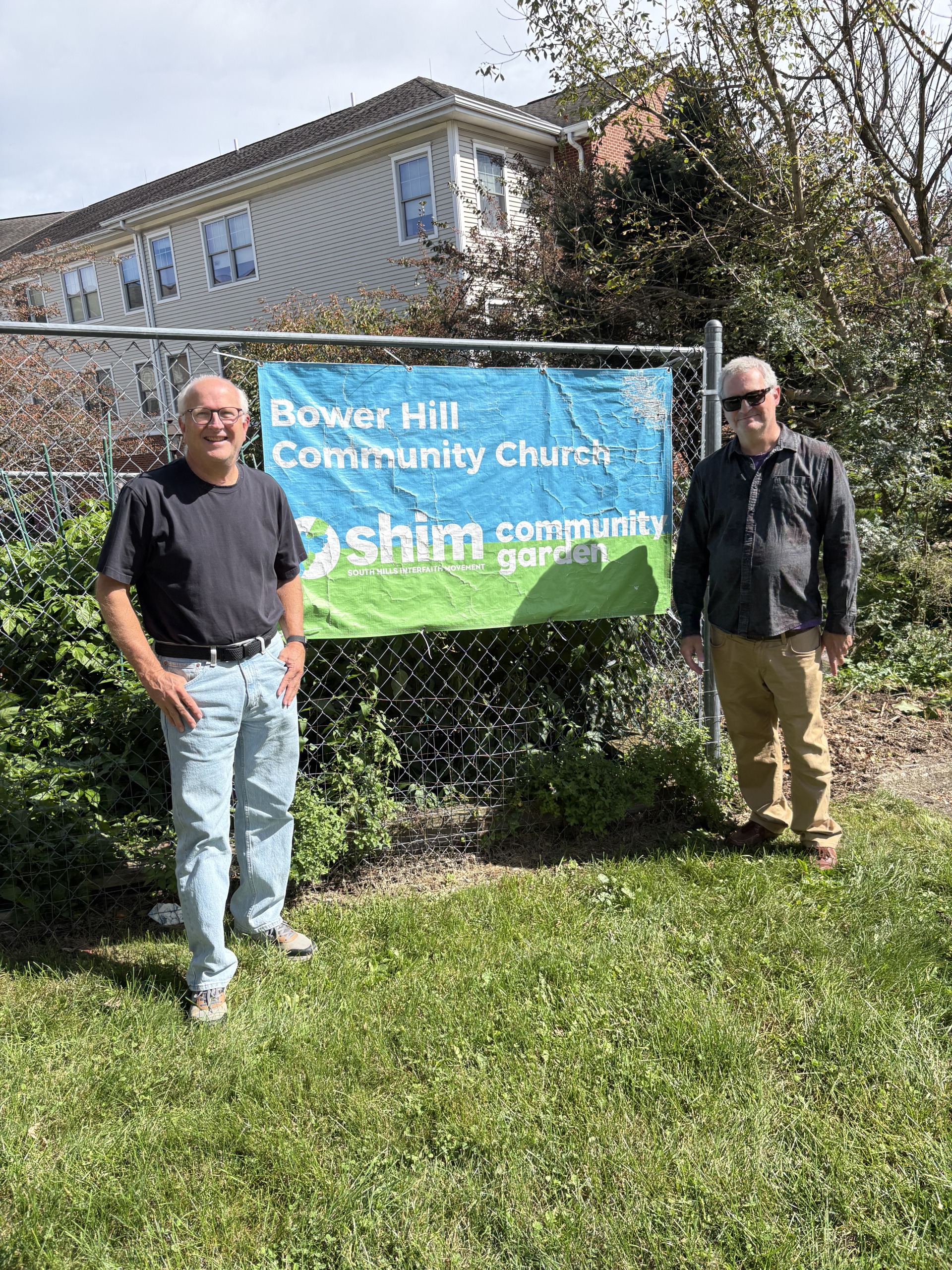
With a new community garden, Bower Hill Community Church is growing more fresh food, volunteer opportunities, and connections between neighbors.
For more than a decade, volunteers at Bower Hill Community Church have been growing something special. Tucked away on the church grounds, a small garden has produced thousands of peppers each year, providing fresh produce for neighbors visiting SHIM food pantries.
Now, as the church celebrates its 75th anniversary, that garden is getting a major expansion, bringing new opportunities for volunteers to get involved, families to access fresh produce, and community members to learn about the importance of giving back.
For longtime volunteer and garden champion Alan Hohlfelder, the project is a natural extension of the church’s history of supporting SHIM and responding to community needs.
“I volunteer at the Greater Pittsburgh Community Food Bank and SHIM, and you see the need,” Alan shared. “When you’re packing 300-plus boxes per week, you realize how much need there really is.”
A Garden Rooted in Community
Bower Hill Community Church’s original garden, established more than a decade ago, was created with a specific purpose: growing vegetables that would be meaningful to the refugee families SHIM serves.
At the time, volunteers learned that many refugee families enjoyed cooking with hot peppers, so the church decided to grow them. And not just any peppers.
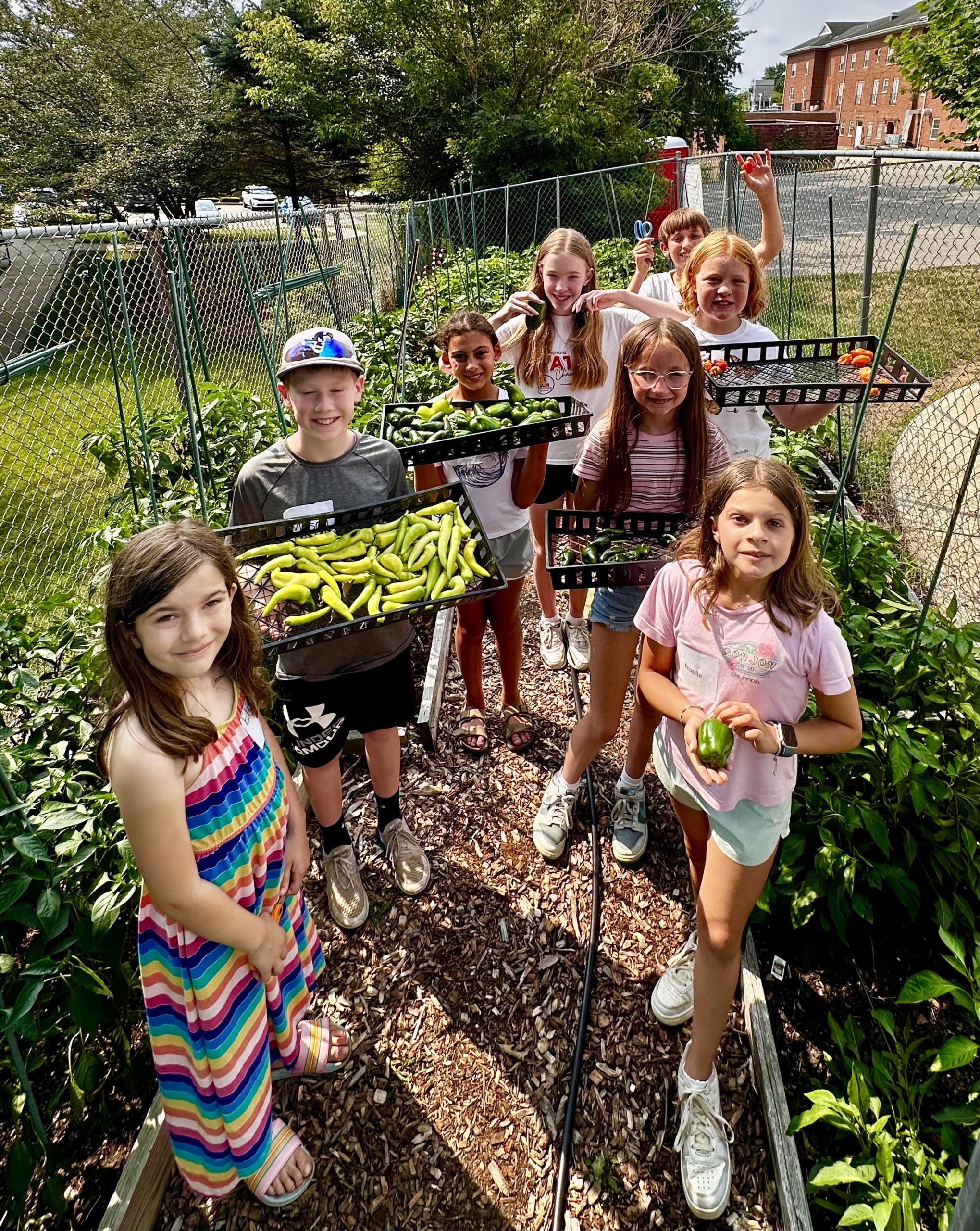
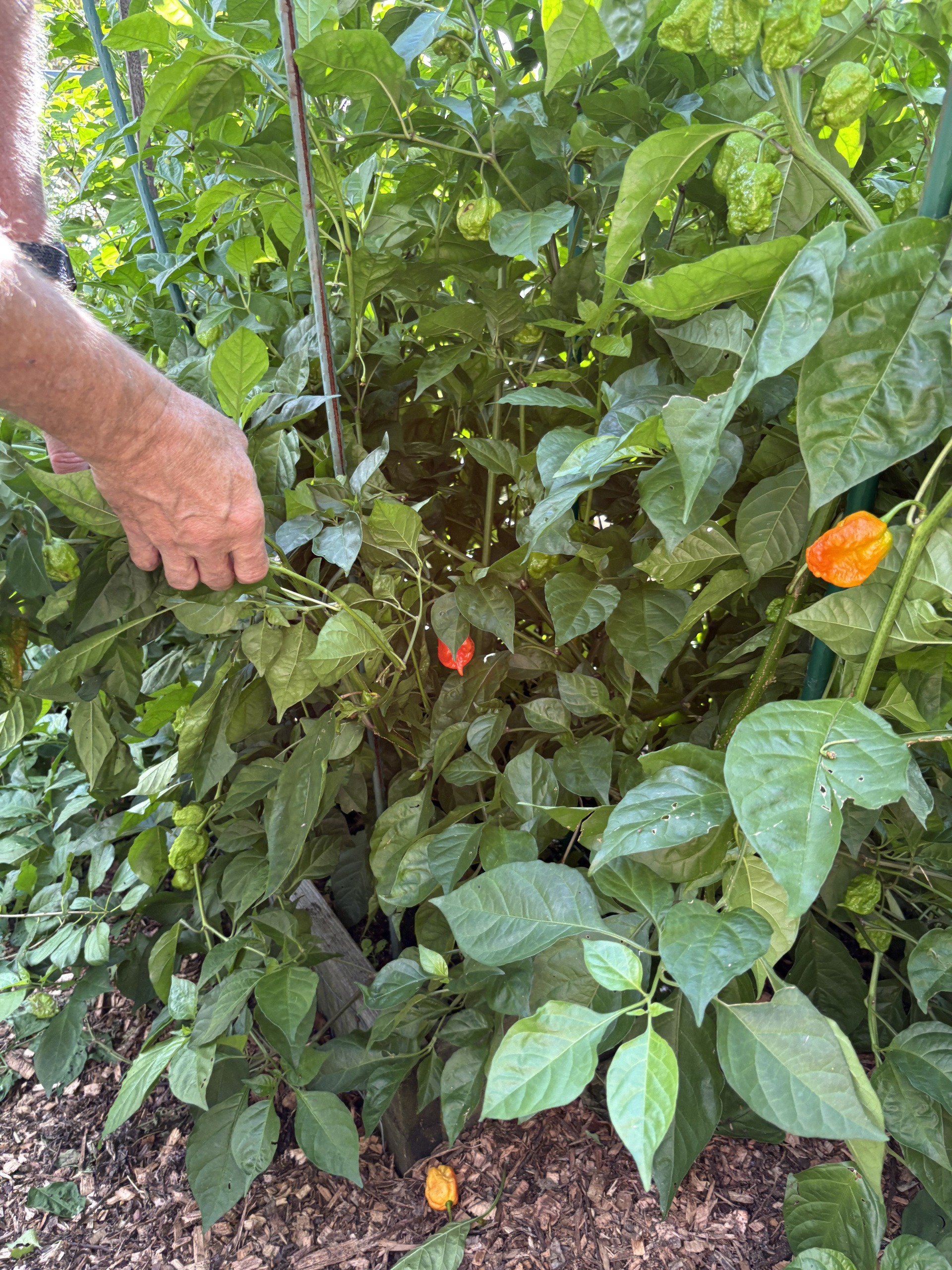
From familiar varieties to Carolina Reapers and ghost peppers, the garden has produced thousands of peppers each year.
For Alan, whose family has been connected to SHIM for generations, the garden is one more way to carry on a tradition of service. His father-in-law, Bob Davis, and his wife, Betsy, both served on SHIM’s Board of Directors. Betsy also volunteered in SHIM’s after-school programs, and Alan regularly supports food pantry operations.
“Since I’ve been married, we’ve been doing stuff at SHIM,” he laughed.
Celebrating 75 Years by Looking Ahead
When Bower Hill Community Church began planning its 75th anniversary celebration, leaders wanted to do more than reflect on their history. They wanted to invest in the future.
As part of an anniversary capital campaign, the congregation dedicated 25% of the funds to mission projects, an increase from the 10% traditionally designated in past campaigns.
Expanding the garden was one of the projects selected.
With a large front lawn offering plenty of space, the congregation envisioned something bigger and more visible: a garden that would not only produce more food but also demonstrate the church’s commitment to serving its neighbors.
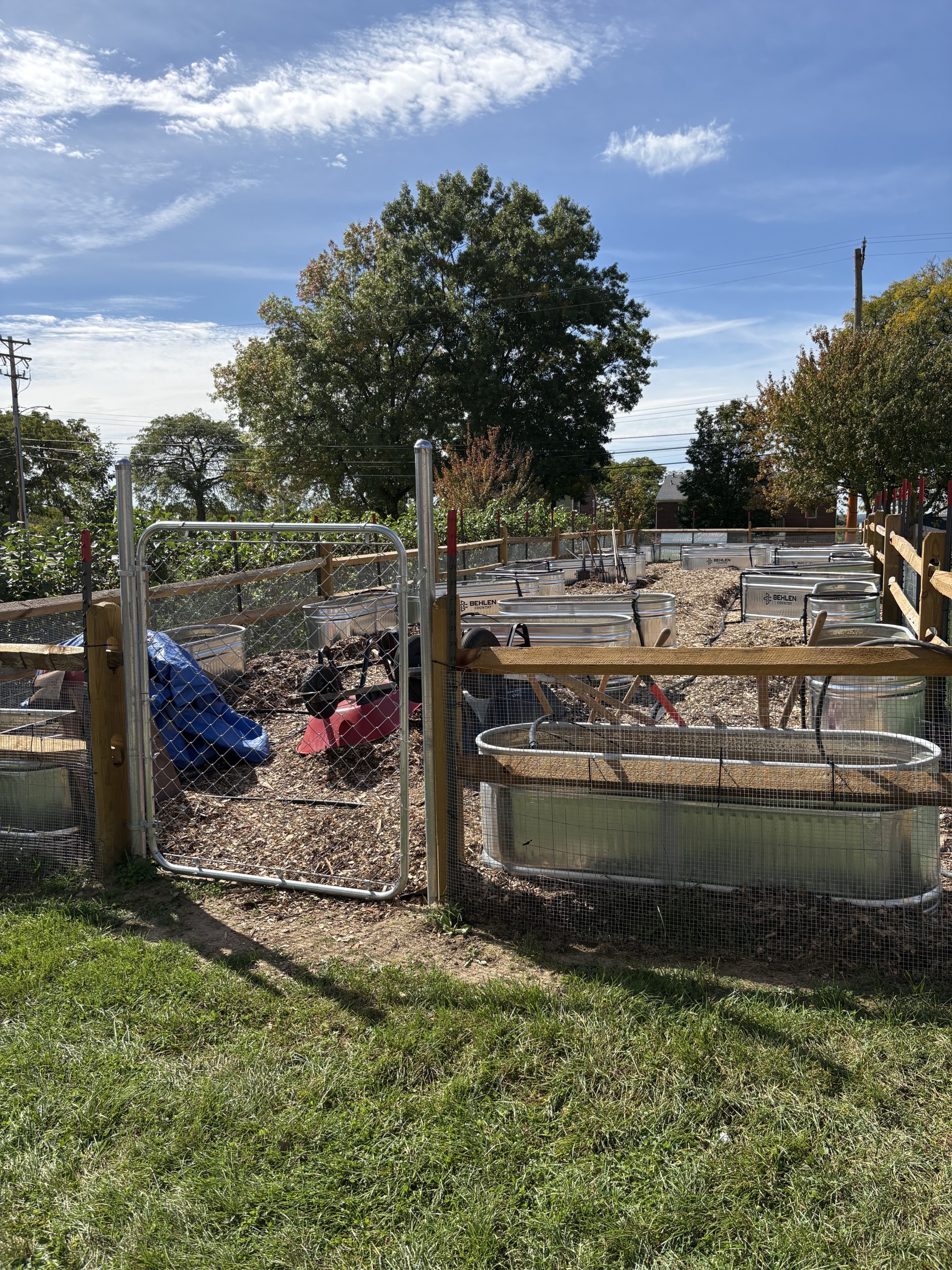
The new garden, approximately two and a half times the size of the original, sits in a prominent location where passing community members can see it.
For Alan, who has witnessed the growing demand for food assistance firsthand, the timing couldn’t have been better.
“You see the people and the hardship they’re facing,” he explained.
It’s a reality that has shaped the church’s broader approach to community service. In addition to supporting SHIM, Bower Hill Community Church partners with organizations like Carnegie Free Fridge, Carnegie Carry Out, and Carnegie New Hope Center to help address food insecurity and other challenges in neighboring communities.
Building Something Together
Creating a new garden from the ground up is no small undertaking, but the congregation had plenty of partners willing to help.
Alan connected with SHIM’s garden coordinator, Becky, who provided guidance based on SHIM’s existing garden operations. Together, they explored everything from fencing and planting containers to watering systems and strategies for keeping hungry wildlife away from the vegetables.
A $1,000 grant from Grow Pittsburgh helped purchase supplies, while Evey Hardware provided invaluable support by donating the use of equipment that otherwise would have needed to be rented.
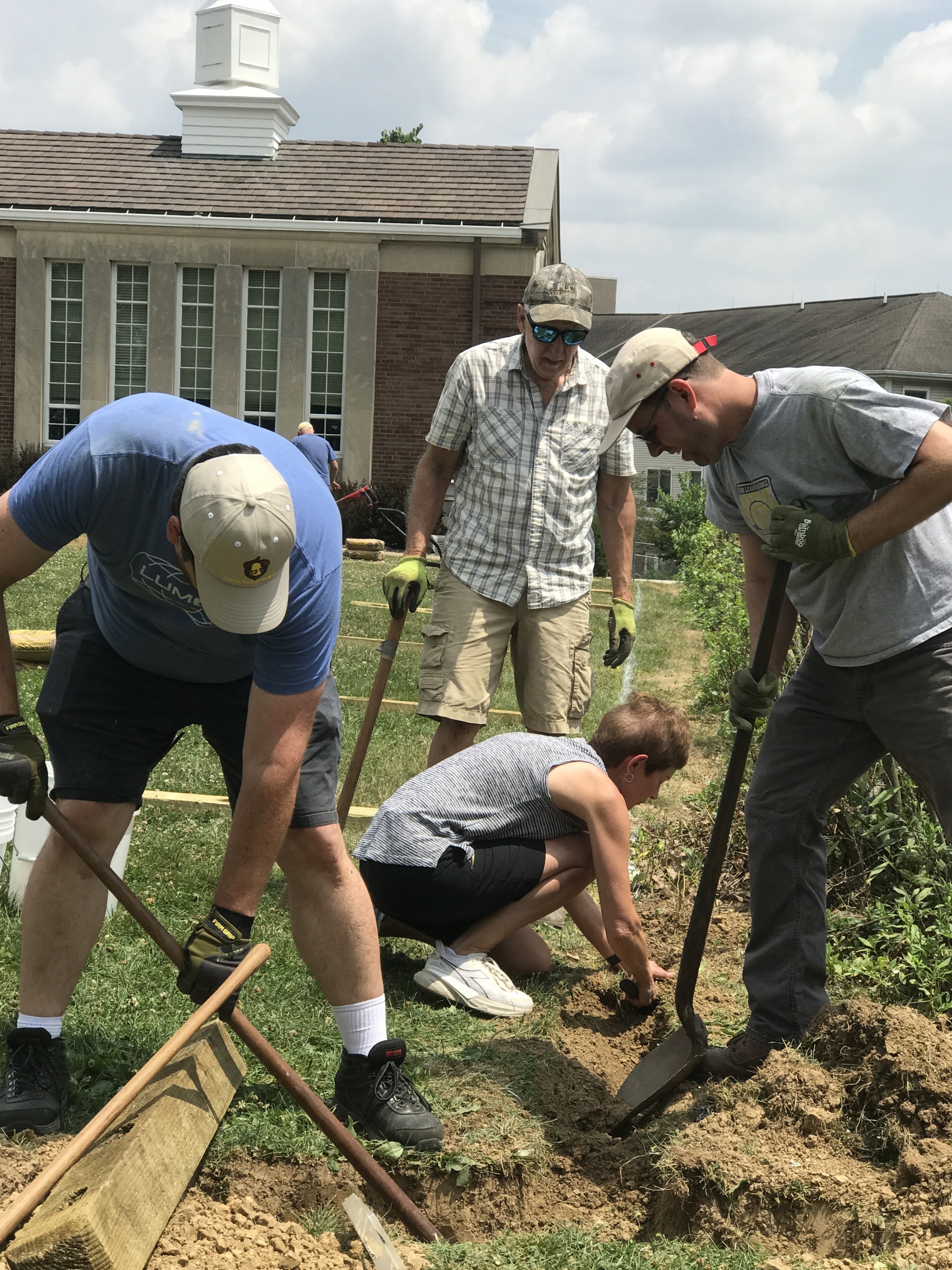
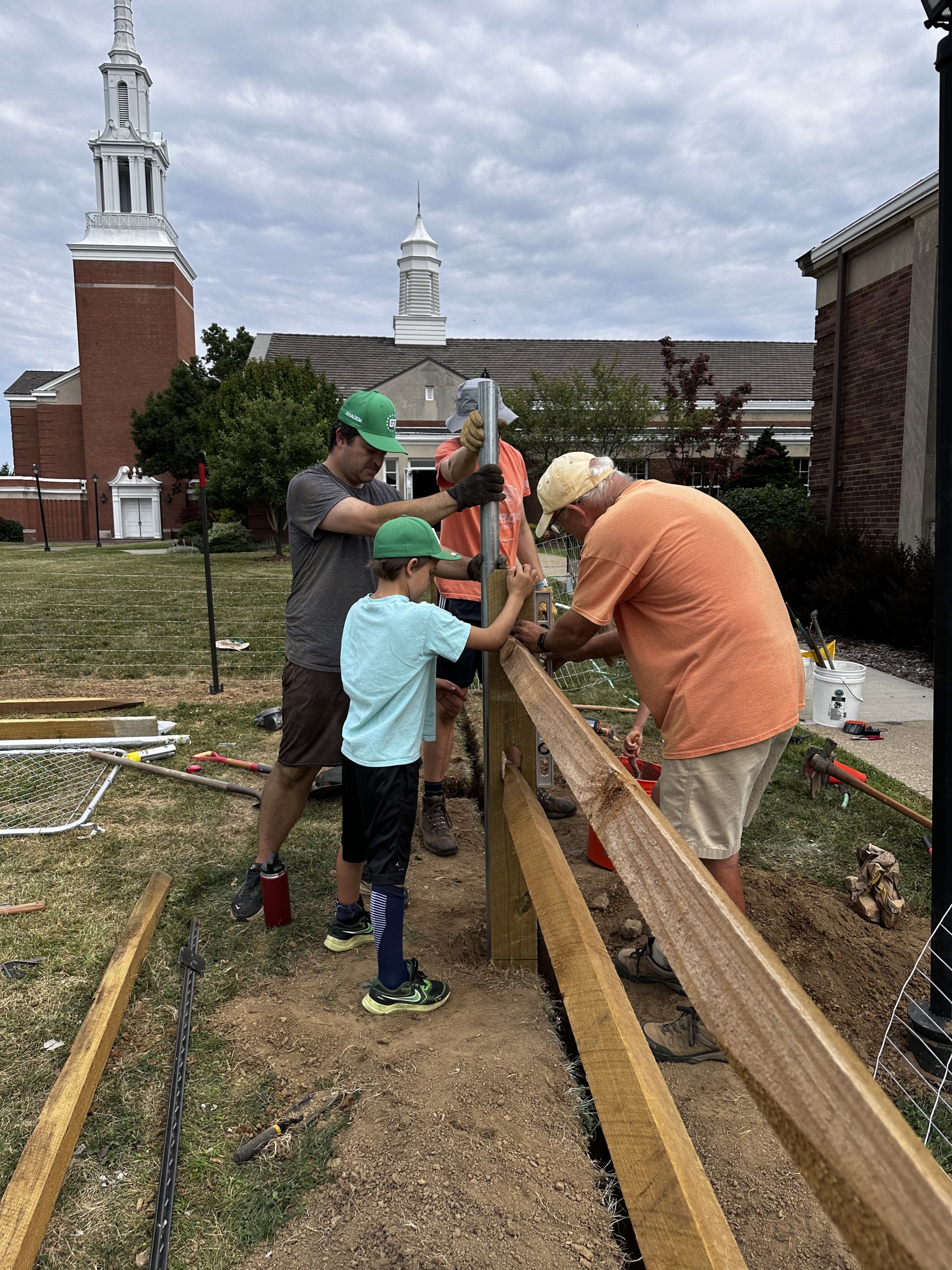
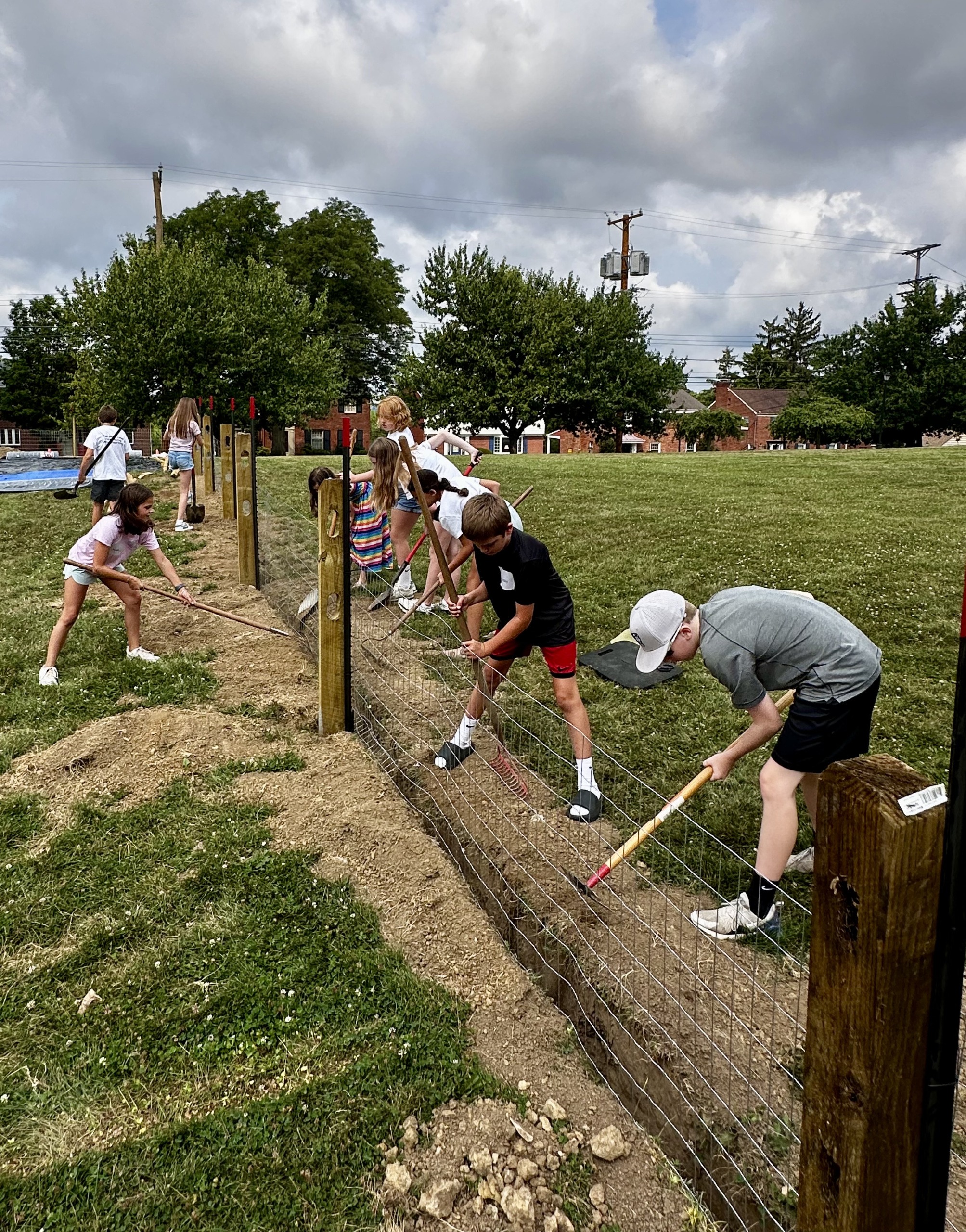
Volunteers spent months preparing the site, installing fencing, digging trenches, and constructing raised planting areas. They even installed underground barriers to discourage groundhogs from burrowing into the garden, along with protective mesh to keep out deer, rabbits, and squirrels.
The project quickly became a community effort.
At least 25 members of the congregation contributed their time, along with local Boy Scouts from Troop and Pack 28, parents, and children participating in the church’s Vacation Bible School.
For the children, the experience offered an opportunity to learn about food insecurity while getting their hands dirty. They helped with construction and harvested peppers from the original garden, connecting the work of growing food with the needs of their neighbors.
Karl Casey, a master gardener trained through Phipps Conservatory who joined the project at Alan’s invitation, has been especially excited about the garden’s educational possibilities.
The plans include a central seating area that can serve as an outdoor classroom, providing opportunities for youth groups and community members to learn about gardening, healthy food, and environmental stewardship.
The church is also exploring partnerships with the Western Pennsylvania Conservancy and Mt. Lebanon Conservancy to incorporate native plants around the garden’s perimeter.
More Than a Place to Grow Vegetables
For both Alan and Karl, gardening offers something beyond the satisfaction of a successful harvest.
“It’s a quiet space. It allows you to connect,” Karl shared.
Karl’s commitment to service has been shaped by years of working with communities experiencing hardship. A trip to Haiti profoundly changed his perspective, eventually leading him to become a lay minister and help coordinate a community ministry focused on serving people experiencing poverty and homelessness.
For Alan, the garden is also a place of personal reflection.
After hearing a sermon about “thin spaces,” places where people feel especially connected to God, Alan realized that the garden was one of those places for him.
From planting seeds in the spring to watching vegetables grow and harvesting them months later, he finds meaning in the entire cycle.
That connection, combined with the knowledge that the harvest will help families in need, keeps him coming back.
Growing What Neighbors Need
As the church prepares for its first full growing season in the expanded garden, volunteers are already thinking about what to plant.
While hot peppers will remain a staple, the new space creates opportunities to grow a wider variety of vegetables, including squash, zucchini, eggplant, and green beans.
Alan and Karl plan to work closely with SHIM’s garden coordinator to understand what produce is most needed and what other community gardens are already growing. The goal is to provide fresh, nutritious food that families will enjoy using in their own kitchens.
The expanded garden will also make it easier for more people to volunteer.
Rather than requiring a major ongoing commitment, the church hopes to establish a schedule where individuals and families can sign up for short harvesting shifts. A family might stay for an hour after Sunday services to pick vegetables, knowing their efforts will help provide fresh food to neighbors through SHIM.
It’s an approachable way to give back, particularly for people who want to help but have limited time.
Understanding the Need Close to Home
Both Alan and Karl hope the garden will do more than provide vegetables. They want it to spark conversations about food insecurity in the South Hills.
There’s a common misconception that food pantries primarily serve people who are unemployed or experiencing homelessness. In reality, the circumstances that bring someone to SHIM are often much more complicated.
“Anybody can end up in a situation, for one reason or another, where they’re looking for food assistance,” Alan explained.
He remembers a family who needed assistance after a house fire left them without a kitchen. Other families face unexpected medical bills, job losses, or rising household expenses that leave little money for groceries.
Karl agrees that the need is much larger than many people realize, particularly in suburban communities where financial hardship may be less visible.
He also recognizes that the stigma surrounding food assistance can prevent some neighbors from seeking help, making accessible and welcoming options especially important.
At SHIM, we see that reality every day. Our food pantries now serve more than 4,400 people each month, including working families, older adults, and children whose households are struggling to keep up with the cost of basic necessities.
Meeting that need requires collective investment. It takes a community of neighbors, volunteers, businesses, and partners working together.
Planting Seeds for the Future
As Bower Hill Community Church looks toward its next 75 years, the expanded garden represents a meaningful investment in the community it calls home.
For Alan and Karl, the garden is proof that responding to community needs doesn’t always require a complicated solution. Sometimes it starts with a patch of land, a handful of seeds, and people willing to put in the work.
And as those seeds take root, so does something even more important: a stronger, more connected community.
At SHIM, we’re grateful to Bower Hill Community Church, Alan, Karl, and the many volunteers and partners who are helping this garden grow. Their dedication is a beautiful example of what happens when neighbors come together to care for one another.
Read more stories about neighbors helping neighbors on our Latest News page.